
UI Designer
UX Designer
User Researcher
User Surveys
User Persona
User Flow & Stories
Customer Journey
Competitive Analysis
Site Map
Wireframes
User Testing
Visual Design
Duration
4 weeks
Tools & Software
Figma
Adobe Illustrator
Adobe Dimensions
Summary: This case study explores the development of an Inflight Entertainment System (IFES) for international flights that provides a variety of entertainment options, the ability to connect personal devices, order food, and stay updated on flight status.
Problem: The Inflight Entertainment System (IFES) faces challenges, including a insufficient connectivity with passengers' personal devices, confusing navigation, and limited features, making the overall user experience less enjoyable.
Customer: The customers are individuals from diverse ages that travel for different purposes and periodically attend to international flights.
Solution: The project solution is to enhance the passenger experience by providing a seamless and engaging platform during international flights that can connect to the user's personal device and offers a variety of entertainment content.
The design's framework was set by conducting user research using both quantitative and qualitative methods. Participants were gathered from diverse platforms, including my personal network.
In order to obtain statistical and pertinent data for user research, a survey was conducted through Google Forms. This research played a crucial role in understanding the demographics of users and their behaviors.
of the participants travel by plane 2 to 5 times a year
of the participants have a typical flight duration of 8 to 12 hours
of the participants would like to connect the flight screen with personal devices
of the participants engage with movies and TV Shows during flights
“The entertainment time is the best time of my travels."
“I would rather to connect my own device to the plane so I can keep watching my TV Shows."
“I love traveling and having a entertainment system that has everything I need is very convenient.”
.jpg)
.jpg)
.jpg)
Designing the solution required a thorough understanding of the process passengers followed, from boarding the flight to accessing the entertainment system.
.jpg)

Strength
Wide selection of content User friendly interface
High quality screens
Weaknesses
Limited Connectivity
Technical Issues
Opportunities
Personalized content
Personal device connection
Virtual Reality Integration
Threats
Competitive challenge
Rapid technological changes

Strength
Wide selection of content
Latest Technology in the IFES
Weaknesses
Limited Connectivity
Inconsistent quality
Opportunities
Fast connectivity and free wifi
Partnership exclusive content Virtual Reality Integration
Threats
Competitive challenge Content Licensing Issues

Strength
Free connection to Wifi Personalized content
Free Live TV channels
Weaknesses
Limited International content Limited Personalization Technical Issues
Opportunities
Personalized recommendations
Personal device connection Wide selection of content
Threats
Competitive challengeRapid technological changes
In the design process, my next action involved crafting user stories to identify and prioritize essential features that address the needs of users effectively.

Based on my user research findings, I developed user flows in Figma, with a specific emphasis on the entertainment content and personal device connection.
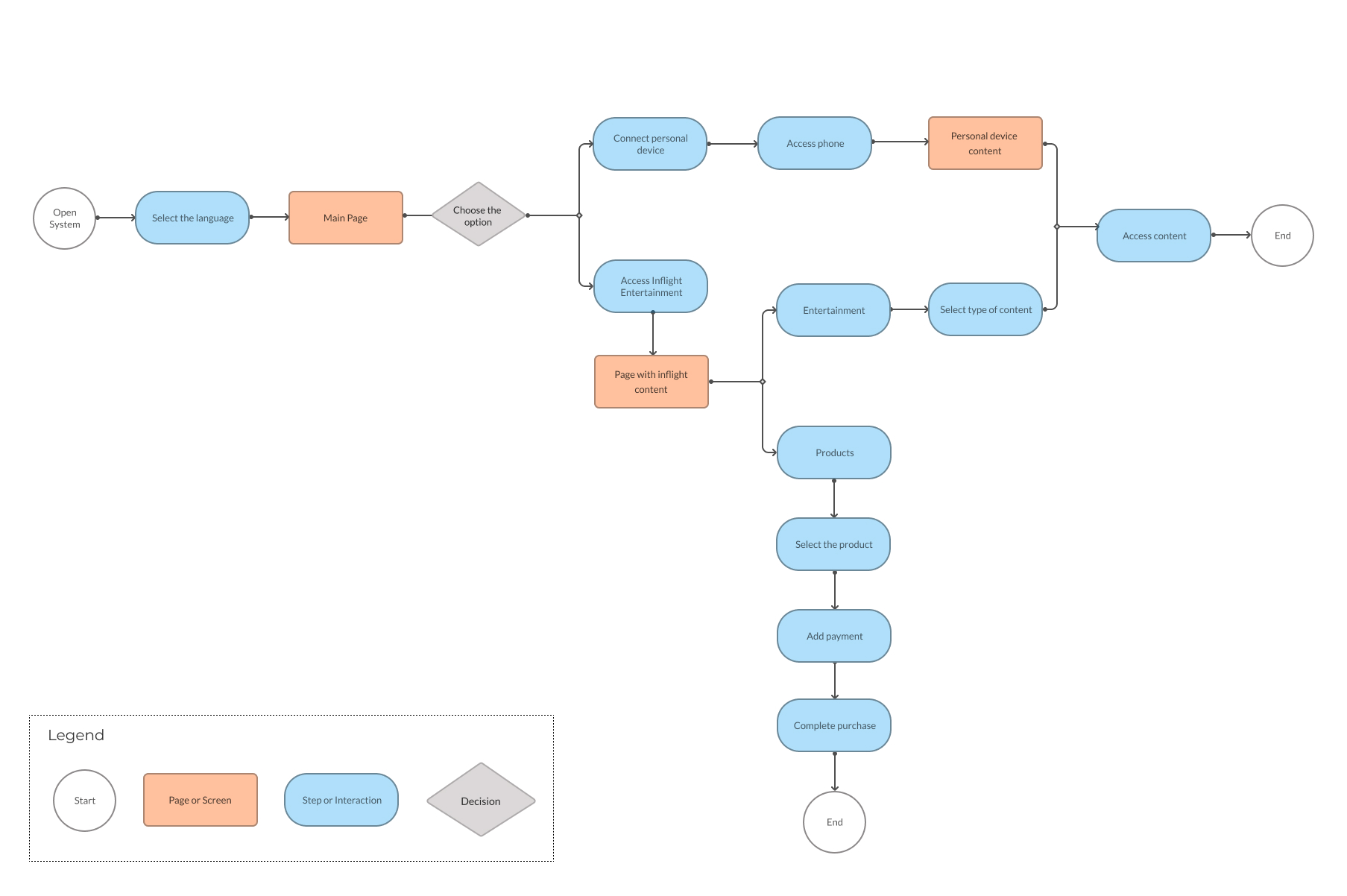
I created the Site Map to help identifying a visual representation of the website's structure and hierarchy.
.jpg)
I created wireframes to see the functionality of the product.

In the concept and branding phase, I expected the project to have a modern, sophisticated, and, at the same time, fun aesthetic. Therefore, I sketched the logo to be minimalist and selected color schemes and typography inspired by the industry trends.

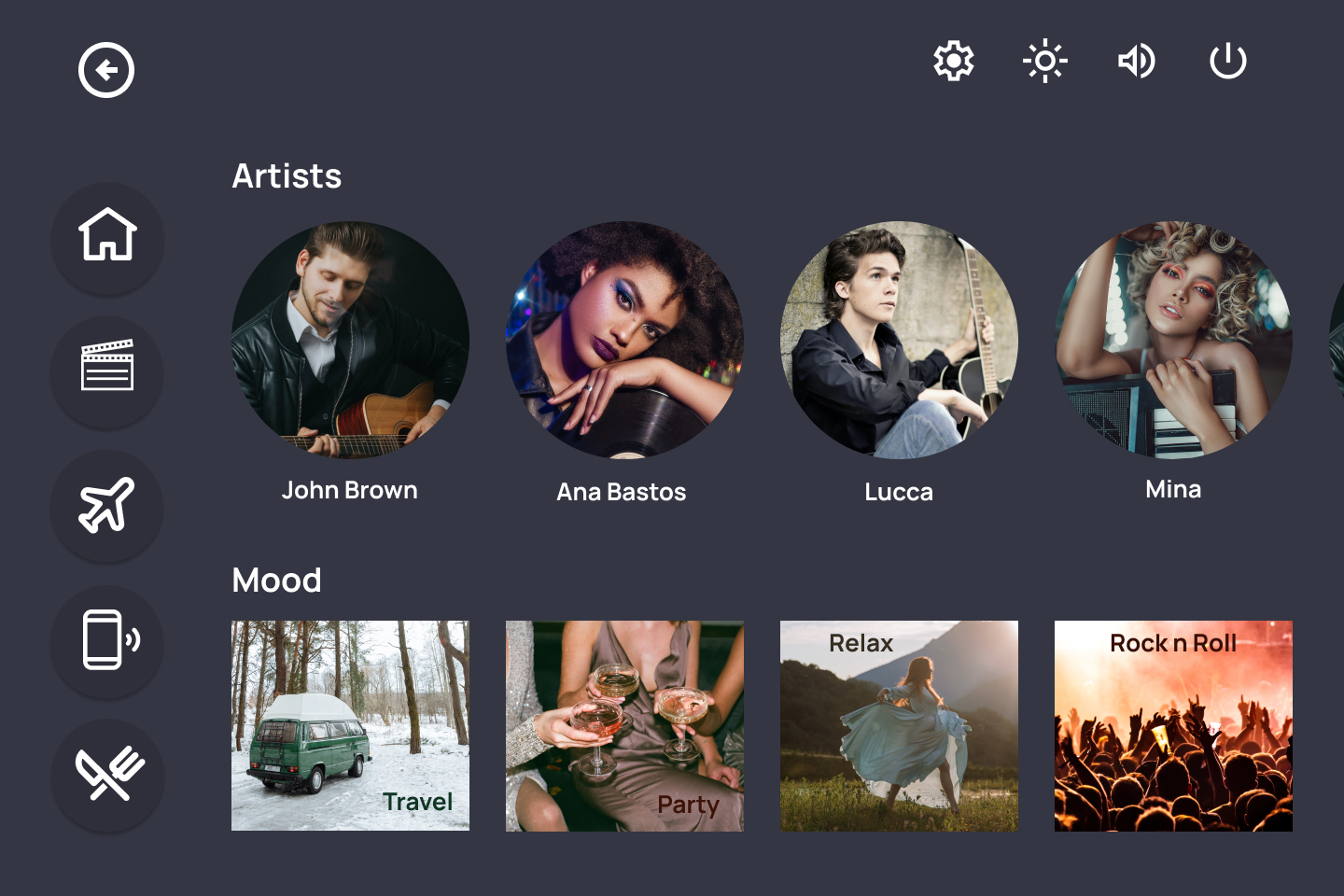
Based on user testing results, it was possible to identify confusion in the navigation system. The A/B testing was an important step in the project iteration in order to refine the design and address user needs.
.jpg)
.jpg)
.jpg)


High fidelity prototypes with clickable features were developed based on the results of user and A/B testing.

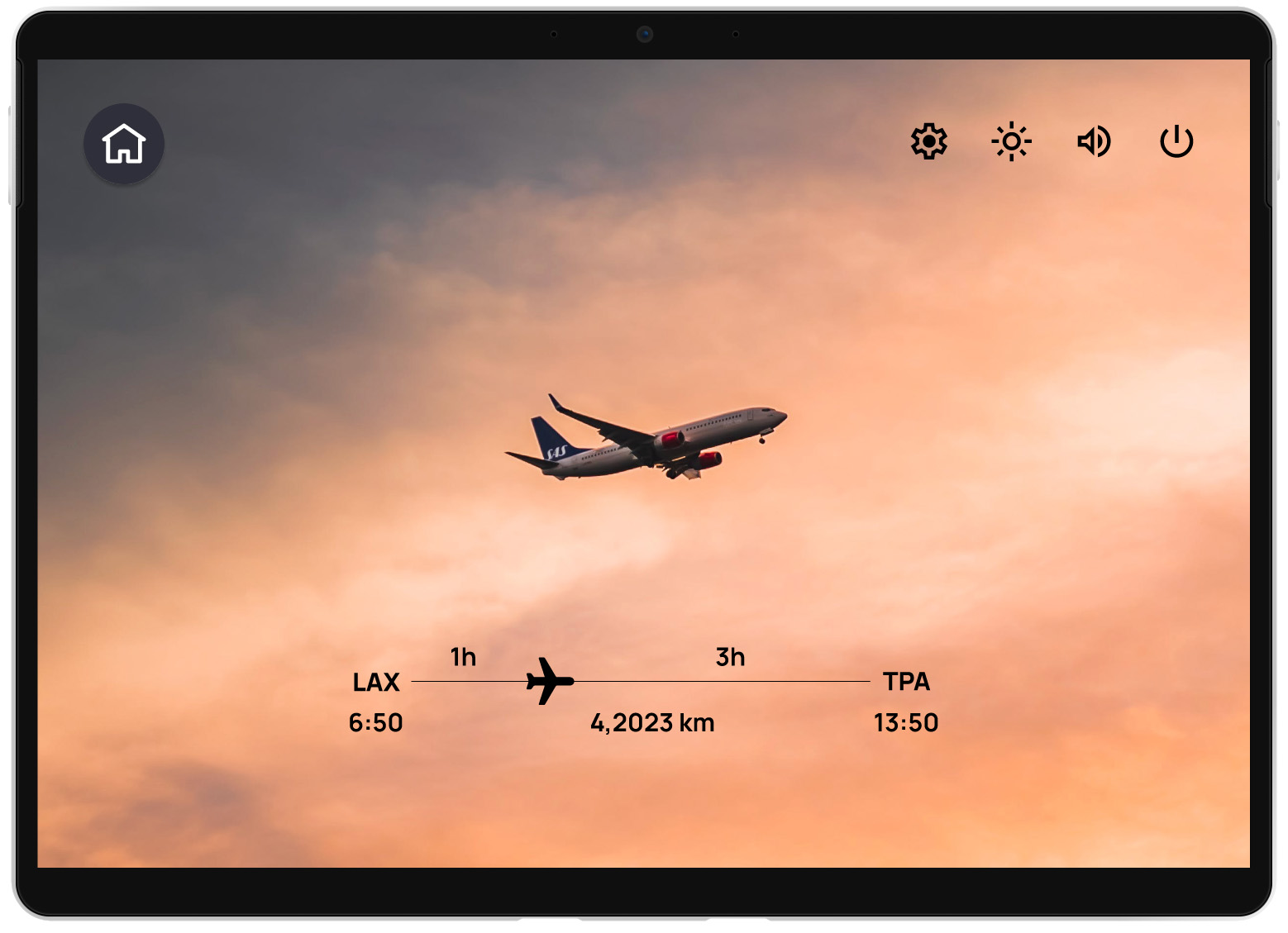
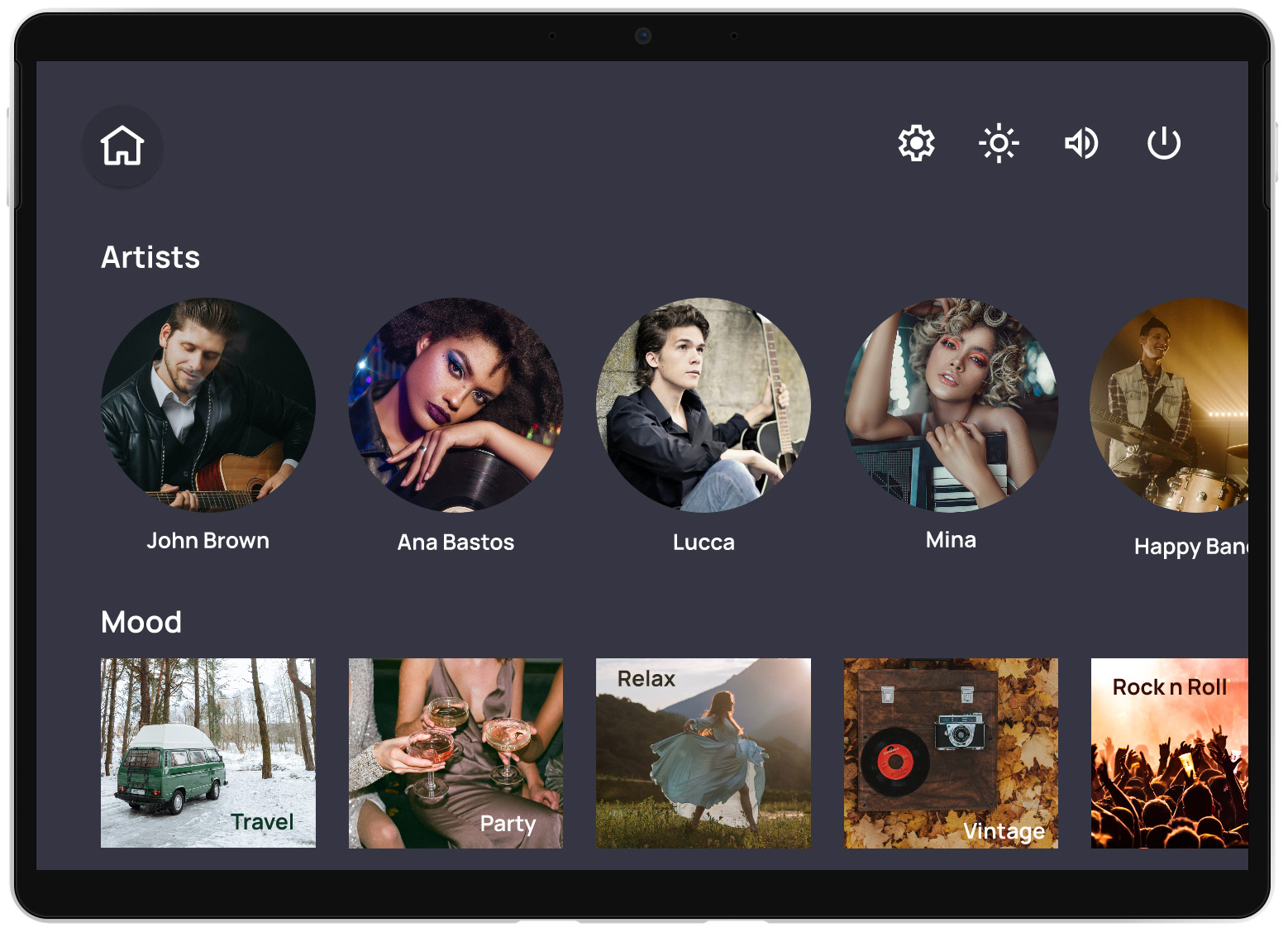
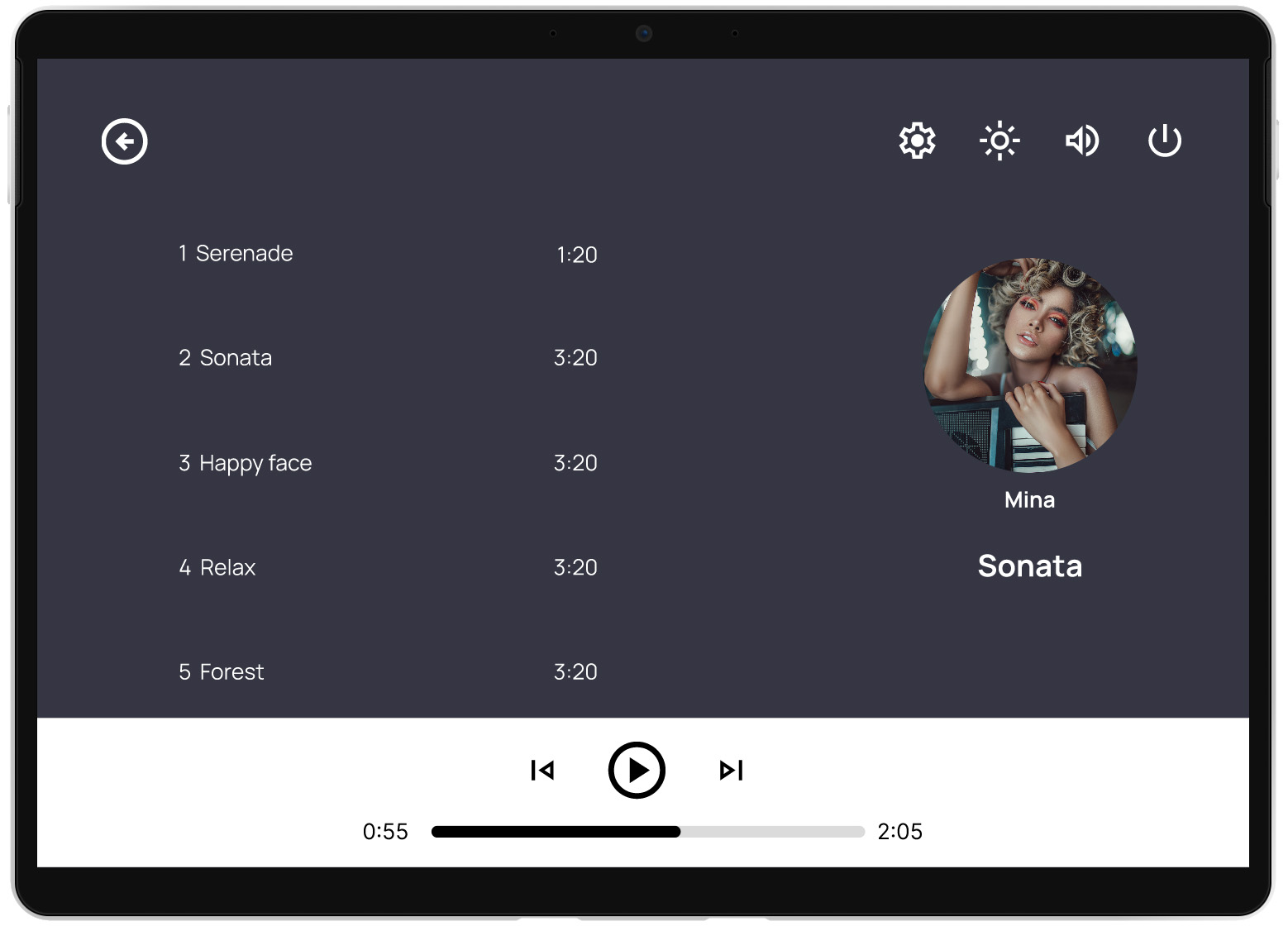
What I've learned: Conducting A/B Testings were crucial to improve the overall product experience. It’s important to keep iterating the mockups to solve the problem statement and address user requirements.
Next Steps: Conduct a new user research to identify more user pain points and needs that are relevant to the IFE system.
Communicate with the development team to start the product development process.

.png)